guides
Planning a Multi-Family Turnover Programme Around Lease Dates
Efficient multi-family painting turnovers require tight integration between lease end dates, site access, and substrate condition. This guide details the operational framework for managing high-volume unit turnovers without compromising finish quality.
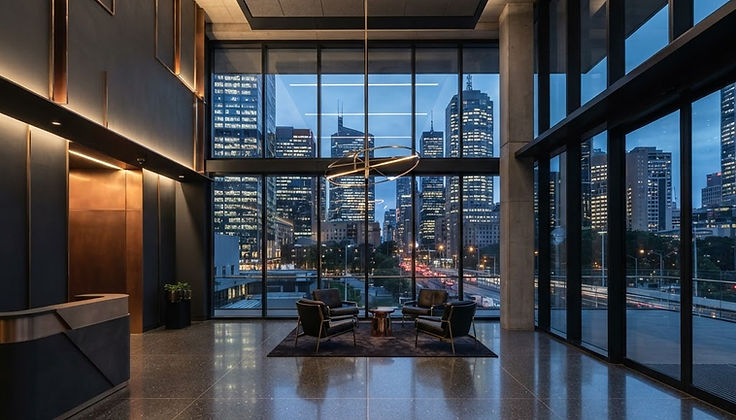
Aligning Turnover Schedules with Lease Cycles.
Successful turnover programmes for multi-family residential assets in markets like Toronto and Mississauga rely on the precision of the lease schedule. The painting component is rarely the only trade involved, meaning coordination is critical. We recommend a phased approach where the painting scope is triggered by unit vacancy rather than bulk building dates. This minimizes the window where a unit sits empty and non-revenue generating. Ensure that your turnover calendar accounts for the time required for site protection, surface preparation, and coating cure times.
Substrate Assessment and Preparation.
High-turnover units suffer from specific wear patterns including scuffing in entryways, drywall damage from furniture impacts, and ceiling staining. Before mobilizing a crew to a location like Vaughan or Brampton, perform a rapid assessment to categorize units by scope. Some units may require a full repainting of all walls and ceilings; others may only need touch-ups or targeted repairs. Documenting these requirements per unit before the lease expiry allows for accurate material procurement and prevents delays caused by last-minute colour matching or substrate remediation.
Managing Labour and Access.
Efficiency is gained through consistent site access protocols. When working in occupied buildings in areas like Markham, the logistical bottleneck is usually elevator access and the transport of equipment. Establish a staging area within the building that does not interfere with resident traffic. For large-scale turnover programmes, we deploy a specific sequence:
- Security and site orientation for all incoming personnel.
- Protection of flooring and light fixtures.
- Patching and sanding of wall imperfections to meet the specified finish level.
- Application of low-VOC coatings to allow for rapid re-occupancy without residual odours.
- Final walkthrough against a defined deficiency list.
The Role of Documentation in Handover.
A professional handover package is a record of what was completed and the products used. Property managers and asset teams should require a schedule of all paint codes, finish sheens, and application dates for every unit. This database is invaluable for future touch-ups, whether performed in-house or by a contractor. For units in Muskoka commercial hospitality assets or large urban condo towers, maintaining these digital records ensures that subsequent painting cycles are faster and more predictable.
Quality Control and Deficiency Management.
The final step is the walkthrough. This should occur while the painter is still on-site. The deficiency list should be cleared immediately. Do not accept a handover until the paint is dry and the unit is clean. In a high-volume environment, identifying a defect, such as an missed spot behind a door or a run in the trim, must be handled within the initial mobilization window to avoid return trips.
We provide documented, phased turnover services tailored to your lease schedule. If you are preparing for a turnover cycle, contact our team to arrange a site walk and request a written scope for your specific asset requirements.
This article is general guidance, not a quote or a specification for your property. Scope, products and pricing are confirmed after a review.
Start an enquiry